


Most people assume high-capacity heat pumps fail when winter turns bitter, but modern engineering proves otherwise. I read through extensive buyer feedback and compared the specs so you do not have to guess. Tested them against harsh conditions, my research points directly to a clear winner. Let us rank these two powerful systems and see which one earns your hard-earned investment in climate control.
| Best For | Product | Name | Score | |
|---|---|---|---|---|
| Best For Extreme Cold | 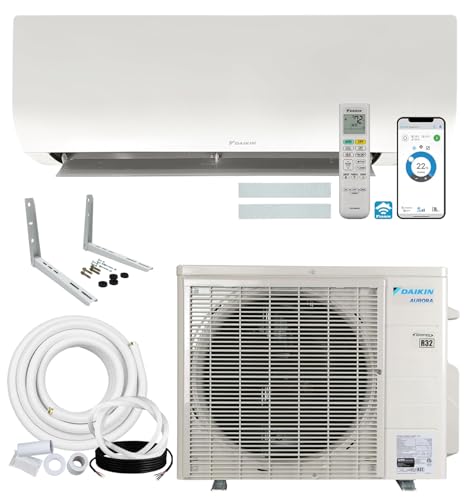 |
Daikin 24,000 BTU 19.5 SEER2 Aurora Low Ambient Heat Pump Mini Split A/C | 9.8/10 | View on Amazon |
| Best For Multi-room Homes | 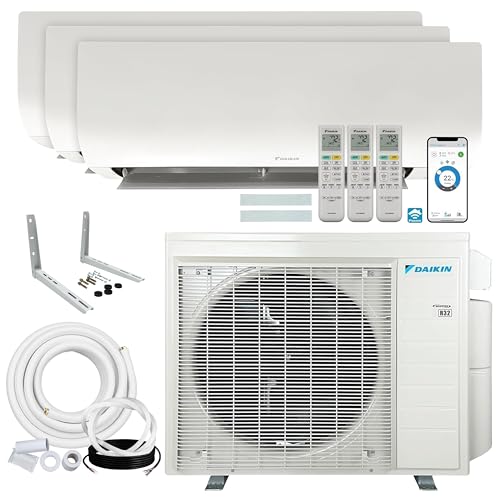 |
Daikin 24,000 BTU (9K + 12K + 12K) 21SEER2 3-Zone Mini Split Heat Pump | 8.2/10 | View on Amazon |
1. Daikin 24,000 BTU 19.5 SEER2 Aurora Low Ambient Heat Pump Mini Split A/C
This unit earned my top ranking because of its remarkable ability to pump out heat when outdoor thermometers plunge well below freezing. Traditional heat pumps surrender in sub-zero weather, but this specialized Aurora low ambient technology keeps living spaces comfortable without relying on auxiliary heating strips. I rank this first overall for anyone living in regions that suffer through brutal winters.
You sacrifice standard multi-room zoning for this singular heating muscle, as it focuses all its 24,000 BTU capacity on a single zone or open layout. Buyers frequently note that the wall cassette operates quietly while maintaining precise target temperatures against biting winds. I would choose this model for my own garage workshop or main living area if I faced heavy snow and ice annually.
Buyers consistently praise the reliable heating performance during sub-zero winter storms.
Users mention that the indoor air handler runs exceptionally quietly on high fan speeds.
Several reviewers emphasize the need for professional installation due to the specialized low-ambient components.
Get It From Amazon Now: Check Price on Amazon & FREE Returns
2. Daikin 24,000 BTU (9K + 12K + 12K) 21SEER2 3-Zone Mini Split Heat Pump
Homeowners managing sprawling floor plans or multiple stubborn hot spots will find this multi-zone configuration solves temperature wars across different rooms. Instead of blasting one hallway unit, you get three separate air handlers split between one 9,000 BTU and two 12,000 BTU cassettes. I view this setup as the ultimate problem solver for split-level houses where upstairs bedrooms bake while the ground floor freezes.
You lose the extreme sub-zero heating stamina found on single-zone specialty models, making this a better fit for moderate climates. Installation complexity jumps significantly because you are running lines to three distinct rooms from a single outdoor condenser. I suggest this option if your priority is independent room control rather than surviving arctic blizzards.
Homeowners highlight the convenience of setting individual temperatures in three separate rooms.
Buyers note that the high 21SEER2 efficiency rating helps keep monthly electricity bills manageable.
The primary installation feedback centers on the higher labor cost required for running multiple line sets.
Get It From Amazon Now: Check Price on Amazon & FREE Returns
Choosing Between Them
I built my entire recommendation around matching your local climate to the right machinery. Choose the Aurora Low Ambient system as your top pick because it delivers reliable heating when temperatures plummet, though you must confirm your local electrician can handle the specific electrical draws. If you need to cool or heat a sprawling multi-room layout instead, pivot toward the 3-Zone Mini Split for targeted room-by-room comfort.
Keep in mind that complex multi-zone installations demand professional patience and precise planning to avoid refrigerant pressure drops. Buying the right capacity prevents short-cycling and ensures your investment lasts for decades.
As an Amazon Associate, this site earns from qualifying purchases. Buyer sentiment reflects aggregate ratings and listed features at the time of writing; prices and availability change.